
How to Start Eating Slowly
Start with Small Shifts
5/30/20261 min read
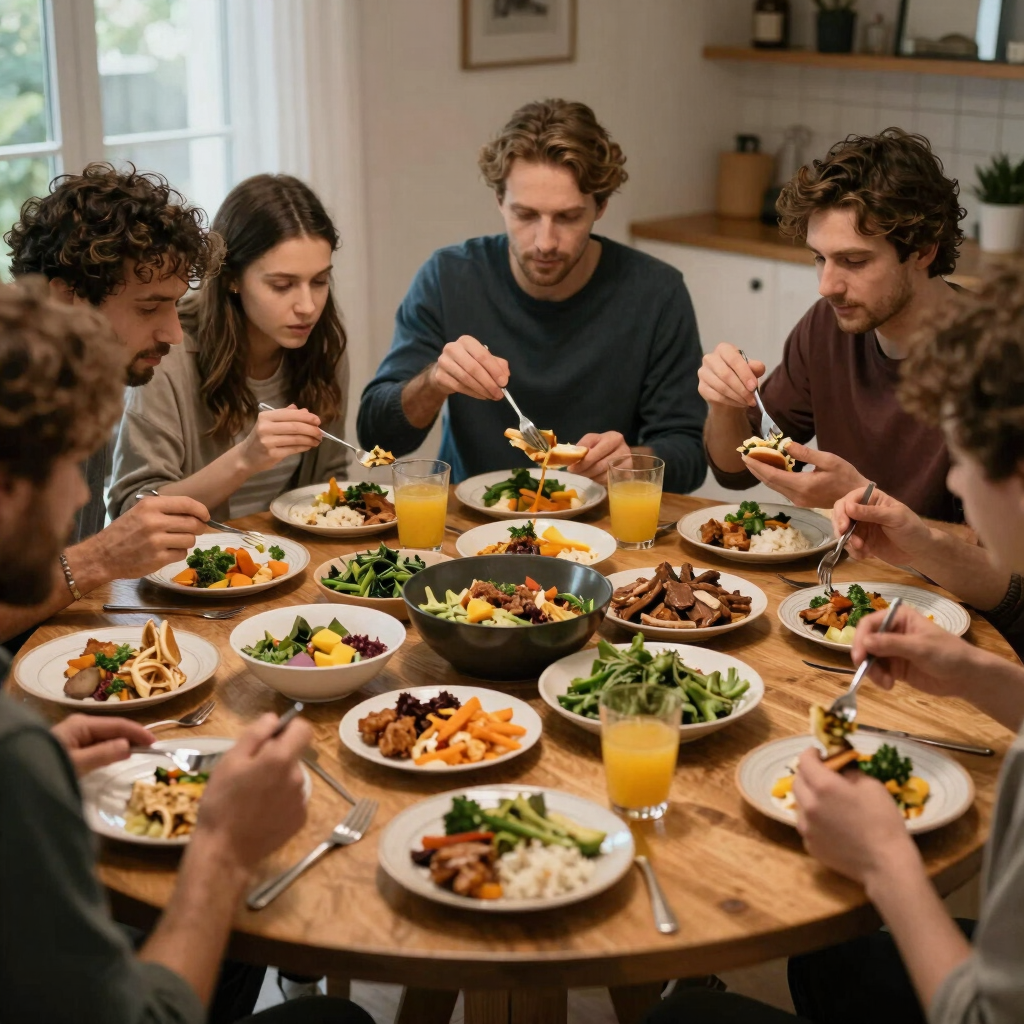
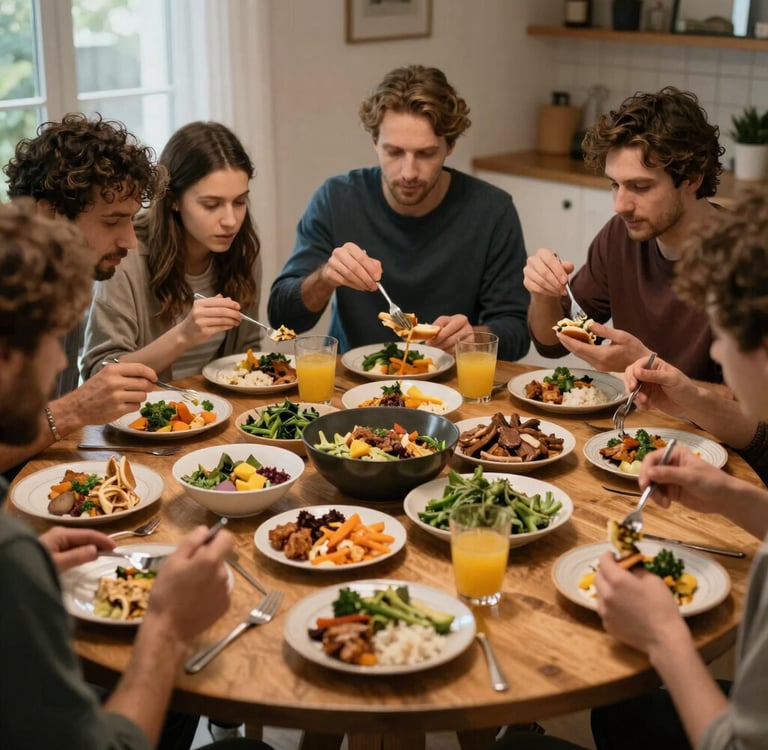
The Science Behind Why Slow Eating Enhances Taste
Taste is not just happening on the tongue.
It is a full sensory experience involving smell, texture, temperature, memory, emotion, attention, and timing.
When we eat too quickly, the brain struggles to fully process these sensory signals.
Eating slowly allows the senses to unfold layer by layer.
You begin noticing:
subtle sweetness in vegetables
floral notes in coffee or tea
changing textures across each bite
lingering aromas after swallowing
balance between acidity, bitterness, and richness
Why Fine Dining Experiences Are Always Slow
There is a reason premium dining experiences unfold gradually.
Courses arrive one at a time.
Textures contrast intentionally.
Flavours evolve slowly across the palate.
Great chefs understand that anticipation changes perception.
When people slow down, they notice more nuance.
This is also why coffee tastings, tea ceremonies and sensory experiences are designed around pacing rather than speed.
Slowness heightens awareness.
Awareness heightens pleasure.
Slow Eating Creates a Deeper Emotional Connection to Food
Food is never purely physical.
A single taste can trigger memory, comfort, nostalgia, travel, culture, or emotion.
But these emotional associations are often missed when meals become rushed routines.
Eating slowly creates space for reflection and sensory connection.
The warmth of fresh bread.
The bitterness of dark chocolate.
The fragrance of freshly brewed coffee.
The sound of ice settling into a glass.
Small details become vivid again.
And strangely, what once felt ordinary begins feeling abundant.
How to Start Eating More Slowly
You do not need elaborate rituals to begin.
Start with small shifts:
Put your phone away during meals
Take one full breath before eating
Notice the aroma before the first bite
Chew slightly longer than usual
Pause between bites occasionally
Focus on texture and flavour changes
The goal is not perfection.
It is awareness.
Because sometimes the richest experiences are not found in adding more.
But in slowing down enough to fully experience what is already there.